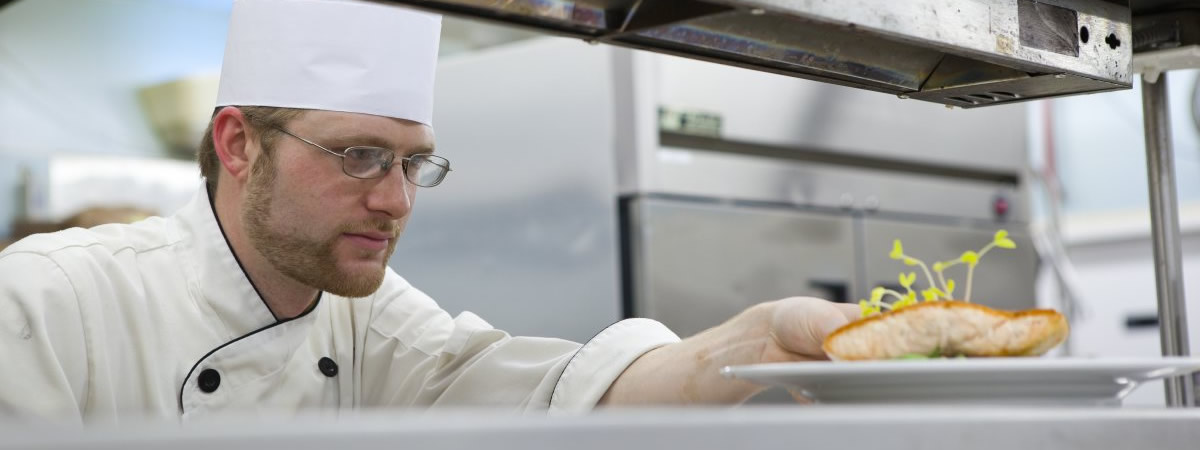
Keeping hotel/motel employees safe and preventing on-the-job accidents poses special challenges. That's because hotels/motels are really four businesses rolled into one: maintenance, housekeeping, security, and food service. All these operations present a unique set of risks.

 
To Reduce the Odds of Injures and Accidents, Raise Workers’ Awareness of Safe Practices…
Follow these Safety Tips to Prevent Injuries and Accidents: Slips and Falls
Cuts (Food and Beverage)
Cuts (All Others)
Burns (Food and Beverage)
Burns (All Others)
Eye Injuries
Repititive Motion Injuries
Strains and Sprains
Hotel_Motel.pdf Download This Page as a PDF File
Save_My_Back_Flyer.pdf"Save MY BACK" -- Safe Lifting Tips
 
To Reduce the Odds of Injures and Accidents, Raise Workers’ Awareness of Safe Practices…

  1. Develop and implement a Safety Policy that stresses your commitment to protect employees from injuries and illnesses.

  2. Establish and enforce an Injury Prevention Plan based on your Safety Policy.

  3. Recognize and reward all employees-from supervisors to support staff--for following safety procedures. Model proper behavior. Discourage shortcuts.

  4. Establish and measure safety goals on a regular basis. Hold managers accountable for meeting the goals.


Follow these Safety Tips to Prevent Injuries and Accidents: Slips and Falls

  1. Keep floors free of water, grease and spills.

  2. Ensure employees wear shoes with leather uppers and slip-resistant soles.

  3. Use slip-resistant floor mats where needed, such as around dish washing areas and food preparation stations.

  4. Repair equipment that leaks or has excess condensation.

  5. Prohibit running and fast walking.

  6. Provide and use stable ladders and step stools for reaching above shoulder height.

  7. Stack incoming supplies immediately; don't leave boxes in aisles and walkways.

  8. Repair or replace loose and worn/torn carpet.

  9. Keep stairwells clear of materials and repair worn treads. Provide sturdy handrails and a slip-resistant surface on stairs.

  10. Provide adequate lighting where walking elevations change, such as ramps and stairs.


Cuts (Food and Beverage)

  1. Keep knives sharp and stored in proper knife racks.

  2. Enforce use of cut-resistant gloves when using and cleaning knives and slicer blades.

  3. Protect or cover sharp edges on wrap dispenser boxes.

  4. Use brooms, not hands, to sweep up broken glass.

  5. Empty water immediately from a sink that contains broken glass. Wear cut-resistant gloves to remove broken pieces.

  6. Close slicer blades when not in use.

  7. Limit meat saw blade exposure to the minimum height necessary when in use; cover fully when not in use.

  8. If dropped, let knives and other sharp objects fall to a solid surface before picking up. Do not try to stop the fall.


Cuts (All Others)

  1. Use a broom and dust pan to remove broken glass from floors and countertops-and always wear cut-resistant gloves.

  2. Carry trash bags away from your legs and arms; don't drag them along your body.

  3. Ensure guards are installed and used on power saws and key cutters.

  4. Wear cut-resistant gloves when handling sheet metal and other objects with sharp edges.


Burns (Food and Beverage)

  1. Use dry hot pads or insulated gloves when handling hot items.

  2. Use tongs to retrieve items dropped in fryers or on grills.

  3. Let grease cool overnight before emptying fryers.

  4. Keep guards over heat lamps and infrared food warmers.

  5. Store condiments, cooking equipment and supplies to the side of grills-not above them.

  6. Learn to use fire extinguishers and automatic extinguishing systems. Ensure the systems and extinguishers have compatible extinguishing agents and get serviced on a regular basis.


Burns (All Others)

  1. Use appropriate Personal Protective Equipment when handling chemicals.

  2. Properly tag and lock off all electrical equipment before working on it.

  3. Conduct regularly scheduled fire evacuation drills for all employees.

  4. Prohibit use of fire extinguishers until employees receive proper training.                                              


Eye Injuries

  1. Require employees to wear eye protection when using any power tools, including landscaping equipment such as mowers, blowers and weed whips.


Repititive Motion Injuries

  1. Ensure that all employees who perform repetitive tasks take hourly breaks for rest and stretching.

  2. Ensure that all computer work stations have ergonomically correct furnishings. Teach employees to adjust work stations for their comfort.


Strains and Sprains

  1. Conduct warm up exercises before starting physical work.

  2. Limit bulk supplies to packages of less than 59 pounds, preferably under 25 pounds. Get help lifting anything over 50 pounds.

  3. Store heavier supplies and equipment on shelves between two and four feet above the floor. Small, light objects should go on upper shelves; light, bulky objects should be near the floor.

  4. Use wheeled containers to transport heavy items.

  5. Let dropped items fall; do not reach or grab for them suddenly.

  6. Use ladder or step stool to reach upper shelves.

  7. Take frequent breaks when performing repetitive tasks.

  8. Provide laundry baskets with spring-loaded bases to avoid the need to reach deep into the basket to remove laundry.

  9. Give housekeepers long-handled sponges and squeegees for cleaning tubs and showers.

  10. Keep wheels and swivels on housekeeping carts in good condition.


Hotel_Motel.pdf Download This Page as a PDF File

Save_My_Back_Flyer.pdf"Save MY BACK" -- Safe Lifting Tips
 
Workers Compensation Specialists
Workers